
Childhood Computing
https://susam.net/childhood-computing.htmlOur first family computer was bought back in 1995. IIRC it was a 166 MHz Pentium / 16 MB ram machine with Windows 95. It cost around $3500-4000 back then, and that's not adjusted for inflation.
EDIT: As a side note, 3 years later I managed to get my hands on a copy of Half-Life, right after it was launched. Our computer, with standalone graphics card, was barely able to run the game. Back in those days, being a gamer and chasing cutting edge graphics was really expensive.
Prior to this we had a electric typewriter, and the main purpose of the machine was to be used for writing documents and other business activities. My first experience with programming, was editing HTML files. I then went to the library to look for books on programming, and the only book I could find there (rural nowhere with population 3000) was a book on Pascal, or possibly Delphi.
I was told that there was this one wiz kid in our small rural town that as supposed to be "really good with computers", he was a couple of years old. I hit him up, and the first thing I noticed in his room was this big "Borland C++" box on his shelf - he showed me a basic 3D flight simulator clone he was working on, as well as some sort of Doom clone. I was in awe.
Suffice to say, he did very well during the dot com boom. Skipped college, and went straight into employment.
A couple of years later, when I started in high-school, some older semi-retired developer had recently moved to town. He worked with our school, and offered a Java programming class. Really excellent teacher, and that was the moment I decided I wanted to work with computers.
With my kid I want to ensure that fundamentals of computing are understood as early as possible, this is what allows you to understand how the world is interconnected.
This means that you could create cool looking graphics easily. For example, you can just compute the points of a circle and draw the points one by one, and in the screen it will show a full circle being drawn.
"Modern" graphics libs (even SDL I think), made this impossible by having redraw the whole screen every frame so that now my program has to remember all the points there the program drew before to get the same effect.
The former workflow made graphics programming so much fun for me and I find the modern "fast rendering pipeline" boring and not a lot of fun.
Things like that, one by one, have sucked the whole fun out of computing.
The school computer lab had Visual Basic but you only got an hour week in there as part of the computing subject, the school library computers couldn't have it because the licence was per seat not per site.
You really only had QBASIC which was great but we really wanted to write Windows apps. You'd be up for a thousand dollars for a MSDN academic subscription just to get Visual Basic.
I guess the blessing was instead of Windows apps we made web pages and JavaScript games hosted on our parents ISP webhost accounts while we dreamed of the day we'd have enough money to buy our own .com domain.
I spent much time carefully typing these things in (spy games, horror games, etc), then even more time designing my own adventure games after reading the adventure titles.
https://community.carbide3d.com/uploads/default/original/3X/...
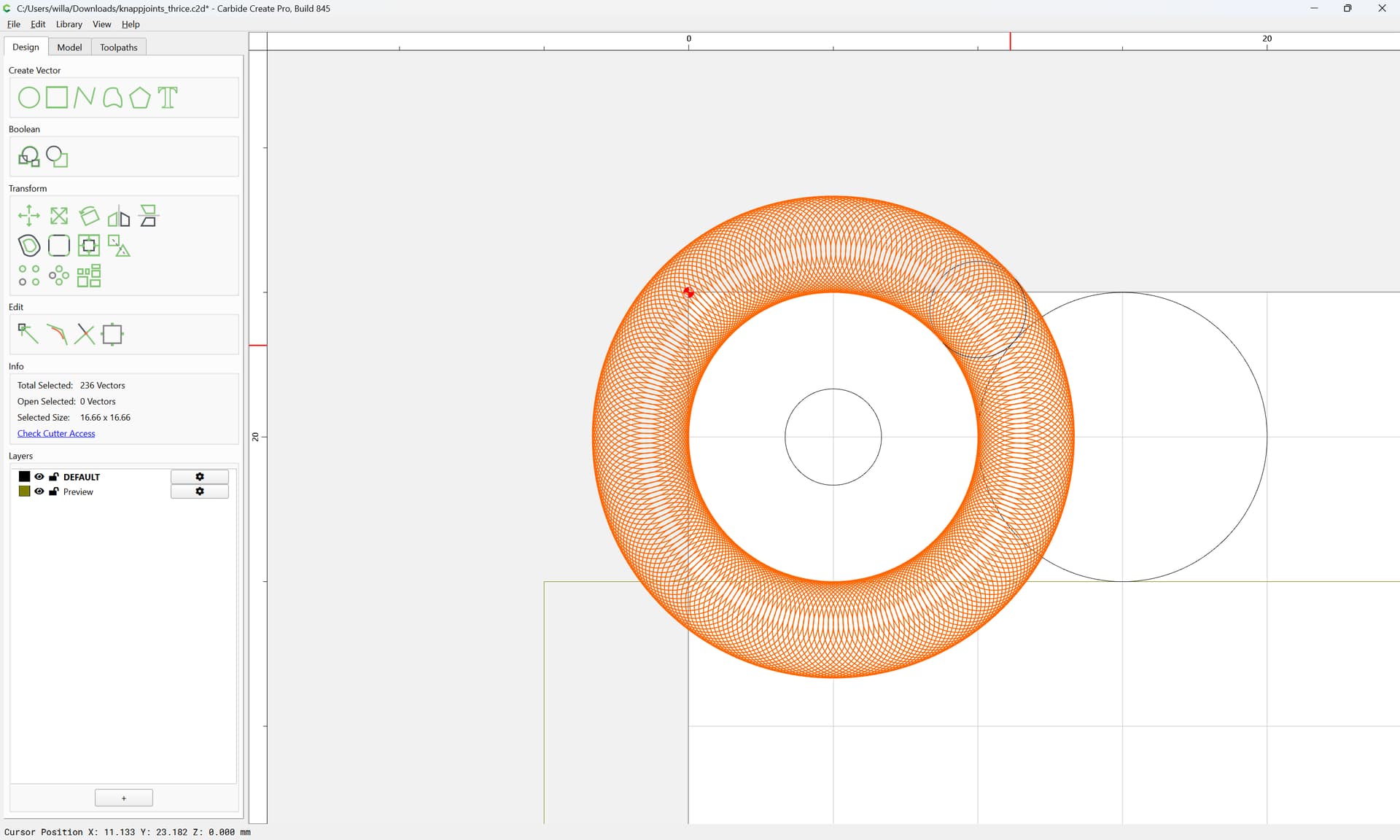
(If someone knows a good/ideal technique for that, I'd be glad to learn of it --- my math background is kind of shaky)
Impressive how that part changed. Today, many computers are cheaper than the desk they are sitting on. Many companies pay over $2000 for office furniture, and that's not even fancy. A $1000 laptop sits on top of it.
Furniture made by an actual cabinet maker will easily get to $5000+. About the price of a maxed out gaming rig, or an enterprise level workstation.
Seeing kids nowadays interfacing with just a touch screen makes me fearful that a foundation of knowledge is not being built, even among the more nerdy types.
I also remember that the game speed was set to some factor of the computer's clock speed. When I later tried to run the same game after I upgraded my hardware, the game went so fast, you could not even play it.
- Oregon Trail
- Where in the World is Carmen Sandiego
- Super Solvers (the best of the lot)
I also got a Windows 95 IBM Aptiva PC from my parents that had a lot of educational software. I can only remember some of it:
- The Lost Mind of Dr. Brain (I loved this game - it had logic programming, 3D spatial reasoning tasks, biology, ...)
- Encarta Encyclopedia virtual maze
- Mavis Beacon Teaches Typing (I hated it; I learned to type when I got onto IGN Boards, EZboards, AIM, and IRC.)
- King's Quest VII (this counts as educational logic puzzles, right?)
- MechWarrior II (well, I considered it educational...)
I'm envious of kids today growing up with LLMs and vibe coding. I would have had a blast at that age with the tools we have today.
Nostalgia for the old web - building websites in HTML on Angelfire and Expage.com. Learning programming on visual basic and how to copy and paste <marquee> to welcome people to the site and to sign the guestbook…
There is a lesson in there somewhere that humanity has not yet woken up to.